I often explain my radio show’s place in the KAOS world music line up as offering music from the most international cities in our country: New Orleans. And this week’s show provides lots of examples.
I’m not alone in my assessment of the city’s international flair. New Orleans is routinely described as the northernmost Caribbean city. I’ve also heard it described as the most African city in the U.S.
New Orleans affinity to the Caribbean dates back to the Haitian revolution in the early 1800’s which generated an influx of French-speaking whites and free people of color into the city along with their slaves.
As a southern port, New Orleans experienced daily inbound traffic from all over the world, but particularly the Caribbean and Central America. The New Orleans Cuban connection was fueled twice daily by ferry departures and arrivals from Havana.
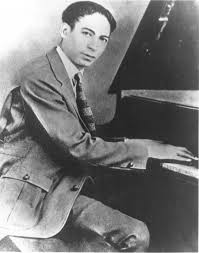
JFerdinand Joseph LaMothe, Jelly Roll Morton, first coined the term “Spanish Tinge” which he described as an essential ingredient in jazz.
Tresillo and habanero rhythms are apparent in the jazz and brass band music of New Orleans, notably second line parade songs. Jelly Roll Morton referred to this as the “Spanish tinge” which can be heard in his “New Orleans Blues.” However, I think he would have been more accurate to have called it the Afro-Cuban Tinge.
In Professor Longhair’s “Mardi Gras in New Orleans,” you can hear the Cuban Clave rhythm in his piano playing. Henry Byrd (Longhair) described his style as incorporating rumba, mambo and Calypso.
And while its relatively easy to find Caribbean influences in New Orleans rhythm and blues, its not as well known that the cultural exchange went both ways. Fats Domino, Smiley Lewis and other New Orleans R&B artists were routinely played in Jamaican street parties influencing the development of Ska.
And the free trade of rhythm continues in the post-Katrina era with an active Brazilian community contributing Samba, Forro’ and other beats to the ever evolving gumbo that is New Orleans music.
In this show. you’ll be hearing those rhythms, including Brazilian-New Orleans music. I also will be honoring the anniversary of Jelly Roll Morton’s birthday. (Show originally broadcast live on October 19. 2015.) Listen to the latest show.
An upside to Hurricane Katrina and the subsequent flood was the infusion of New Orleans culture throughout our country. With the city almost completely evacuated, its people, music, cooking, way of talk and style scattered across the U.S. like seeds from a dandelion blowball.
Texas received the largest number of evacuees. Austin, which like New Orleans is a regional music mecca, swelled from the addition of Cyril Neville, the Iguanas, the Radiators and other musicians — some who came to call themselves “Texiles” while playing music and waiting to return to their hometown. The resultant mix was described by Cyril Neville as having the “gumbo spill into the chili.”
Here’s more on how some of New Orleans finest musicians fared:
Fats Domino, the city’s greatest rocker, is a lifelong resident of the Lower NinthFats Domino and his family were rescued by Coast Guard from his lower Ninth Ward home.
Ward. He stayed in his home through the hurricane and was rescued by a Coast Guard helicopter. But he lost all his gold records and memorabilia.
Irma Thomas – The Soul Queen of New Orleans weathered the storm and the aftermath in Austin Texas. She rebuilt her East New Orleans home and she won a grammy for her post Katrina recorded album.
Dave Bartholomew – The home and studio of the man behind many of New Orleans R&B hits of the 1950’s suffered considerable flood damage but he and his family (His son Don B. is a successful hip-hop producer) have bounced back with now three generations of Bartholomew’s making music.
The Radiators – Once described as New Orleans’ longest running and most successful rock band are no longer an act officially–though you can occasionally catch them on special events and Jazzfest. Hurricane Katrina landed on guitarist Dave Malone’s birthday. He and his wife struggled to rebuild their home and ended up living outside of New Orleans.
Al Johnson – The man who made it possible to be “Carnival Time” any time of the year, lost his long-time house on Tennessee Street in the Lower Ninth Ward He now lives in the Musicians Village where he penned Lower Ninth Ward Blues
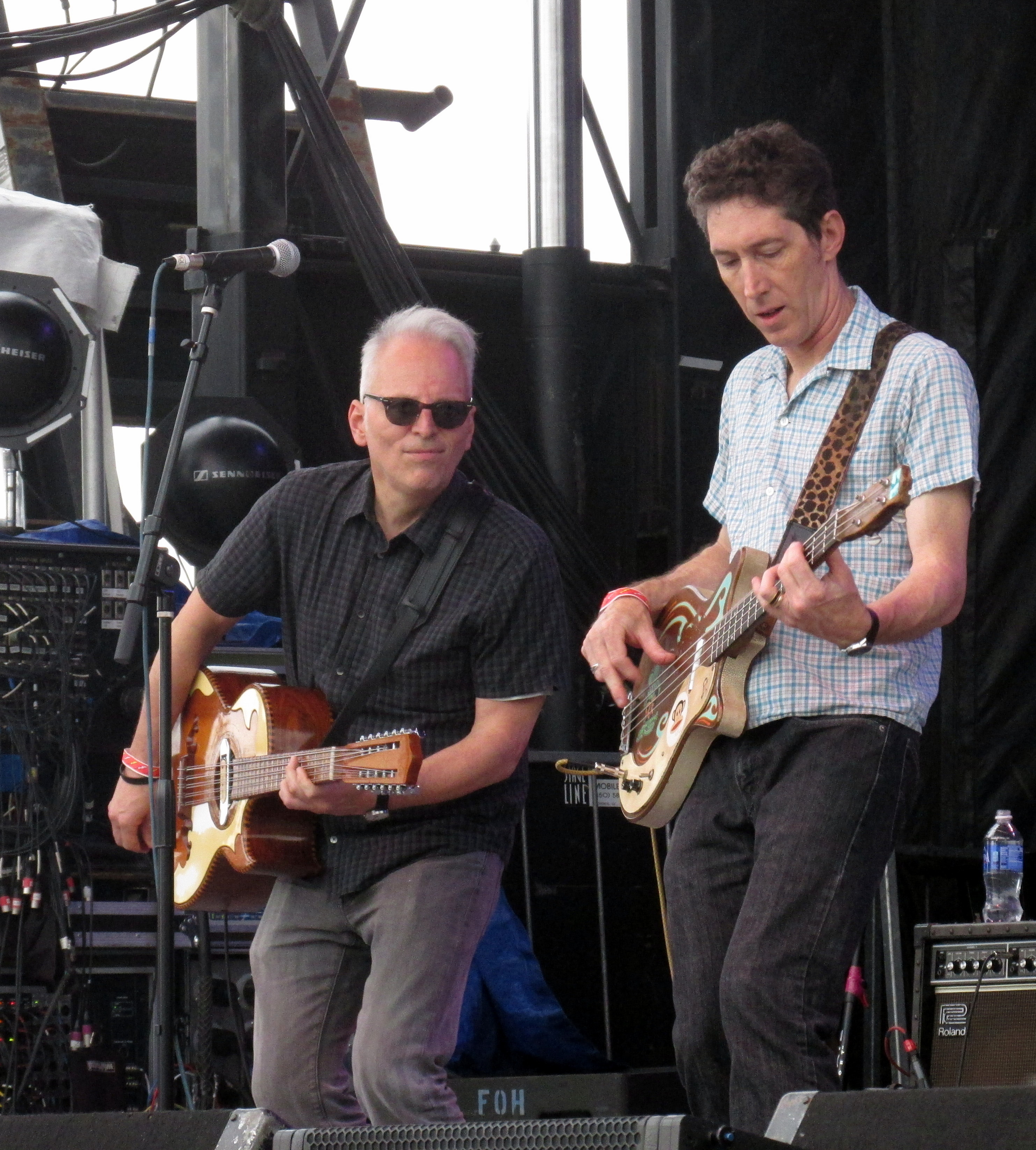
The Iguanas – The members of this latin-tinged roots rock band were on tour at theThe Iguanas made a temporary home in Austin while waiting to return to New Orleans. Joe Cabral (left) and Rene’ Coman performing at French Quarter Festival this year.
time and separated to find evacuated family members. They regathered in Austin and became part of the flexible ensemble of New Orleans musicians known as Texiles. The band has had three CD releases since Katrina.
The Hot 8 Brass Band – This innovative group could be called the Adversity Brass Band. Before Katrina, three of its band members had died — two from shootings. After Katrina, a fourth member was shot to death while driving in his car with his family. Another member lost the use of his legs in an accident. The band scattered across the country after Katrina and could easily have disbanded permanently. But it regrouped, recorded a grammy-nominated album and still perform today.
Dr. Michael G. White – The University professor and clarinetist lost his home in Gentilly, including many valuable jazz documents. But he’s back in town and working as hard as ever.
Henry Butler – Fortunately the talented piano virtuoso was convinced to evacuate his Gentilly home, which was devastated by flood waters. Blind since birth, he can’t tell you what the damage looked like but he can describe the feel of his piano keys as they fell apart in his hands. Last year, he and Steve Bernstein released “Viper Drag” to rave reviews and he regularly performs.
Kermit Ruffins – “What good is a million dollars if you’re not in New Orleans.” The widely recognized ambassador to New Orleans evacuated to Houston with a large extended family and pets. He returned to New Orleans after the storm and continued his routine up until last year. Ironically, his wife got a job in Houston and he now splits his time between New Orleans and Houston.
Donald Harrison Jr.- This lifelong New Orleans resident, Big Chief and heralded jazz saxophonist has a fear of hurricanes borne from his youthful experience escaping from Hurricane Betsy’s flood. But he stuck it out in the city cause his mother-in-law wouldn’t leave. They slept on the ballroom floor of the Hyatt Regency during the storm and aftermath, escaping to Baton Route four days later.
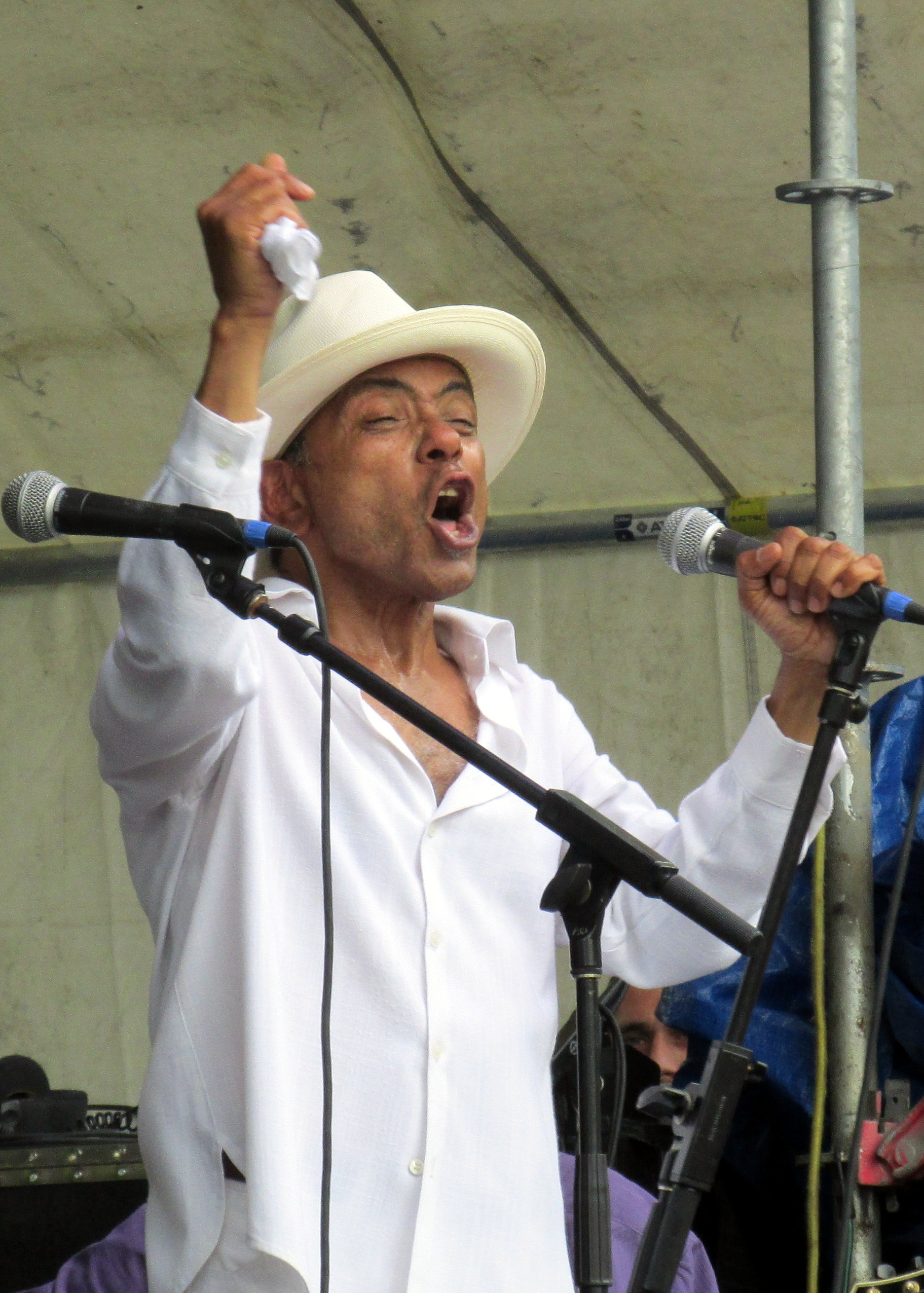
John Boutte’ nervously watched events unfold from Brazil, finally talking one of his sisters and mother to evacuate before Katrina hit.
Shamar Allen – This young trumpet player’s home was right next to a levee that broke. He now owns a home in the Musician’s Village. He contributed some key songs to the musical Nine Lives that focuses on New Orleanians who survived Hurricane Betsy and Katrina.
John Boutte was in Brazil at the time and watched almost helplessly the hurricane reports from afar. Fortunately, he finally convinced one of his sisters and mother to evacuate but his other two sisters were stranded on an interstate highway bridge for five days.
Terence Blanchard – Much of this jazz trumpeter’s story was told in the Spike Lee movie “When the Levees Broke.” In the documentary, you can see him and his mother enter her flood-wrecked near Lake Ponchatrain. Blanchard wrote the score for the documentary and won a grammy for subsequent album he released.
Last week and this week, I’m honoring the survivors of Hurricane Katrina who dealt with intense horror, long hot days, and many months and in some cases years of uncertainty about their future. And yet, they returned to New Orleans, their home and rebuilt.
This week’s post (and my focus on this week’s radio show) is about the man who sang “we gonna hoola tralla walla malla dalla drink some mellow wine.”
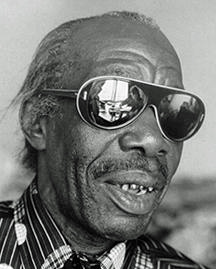
Henry Roeland Byrd, aka Professor Longhair
Henry Roeland Byrd was a tap dancer, card shark, soldier, cook, laborer and general street hustler. He also was one of the greatest New Orleans piano professors of all time – Professor Longhair.
Professor Longhair’s style has been described as a rhumba crossed with a blues shuffle.In an interview with Peter Stone Brown not long before he died in 1980, he said:
” I was around a lot of honky-tonk musicians, barrelhouse musicians, blues musicians, and bebop musicians, jazz musicians. I just got a little bit from everybody and used it with what my mother taught me. She played a lot of ragtime music. . . I just mix my ideas up and call it a gumbo. There’s no certain thing at all. It’s just rockin’ rhythm.”
Fess was there at the beginning of the New Orleans Rock and Roll era in New Orleans, cutting his first singles in the J&M Studio (Cosimo Matassa) in 1949. And in November 1953 with Alvin “Red” Tyler, Lee Allen, Earl Palmer, and Edgar Blanchard backing him up, he recorded “Tipitina” for the first time.
“Girl you hear me calling you. Well you’re three times seven, baby. Knows what you want to do.”
Calibration
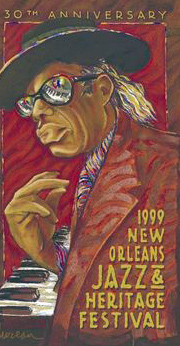
Born in Bogalusa but raised in New Orleans, Professor Longhair never made the hit parade and never really experienced financial success. By the late 60’s, his career had folded and he was living in poverty. In 1970, Quint Davis and Alison Minor sought him out with the intention of getting him to perform at their fledgling music festival, the New Orleans Jazz and Heritage Festival.
Who they found was a frail, weak man who didn’t seem capable of pounding out his trademark rhythms. But with the help of Davis and Minor, he recovered enough to perform at the second JazzFest in 1971 and demonstrate that, if anything, his playing had gotten better. His hometown and the world embraced him and his career flourished. Until his death in 1980, he recorded and performed, including at the nightclub created for the purpose of providing him and other aging R&B artists a place to play, named appropriately Tipitina’s.
His hometown and the world mourn his passing on October 25, 2017. Click on my show in honor of his 87th Birthday and read the blog post I wrote in 2015.
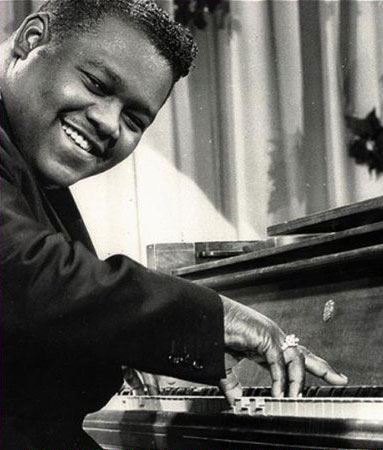
Fats Domino turns 87 today. While perhaps debatable everywhere else, in my mind he’s the real King of Rock n’ Roll. And, he also has his professional DNA in ska and reggae.
“Be My Guest” hit 8 in the popular music charts in 1959–one of four Domino songs that got into the Top 40 that year. Not bad, considering he only recorded six songs.
Fats Domino was not only a major force in Rock n’ Roll, he helped inspire ska.
“Be My Guest” marked a decade of Domino getting young people of all backgrounds to dance together. And with lyrics like “Come on baby and be my guest/Come join the party and meet the rest,” Domino made it a world dance party.
That dancing was particularly important in Jamaica where disk jockeys held dance parties in the street. As the unofficial northern capital of the Caribbean, New Orleans has had a long history with Jamaica. Island workers would arrive in New Orleans to work in canefields and return home with armloads of R&B records. Many argue that ska developed its rhythm from the shuffle and boogie beats that were emanating from Cosimo Matassa’s studio in New Orleans at the time.
New Orleans early Rock n’ Roll inspired the Ska rhythm that evolved on the streets of Jamaica.
“Be My Guest” was a huge hit in Jamaica and its 4/4 time with the drummer hitting hard on the offbeat apparently became the foundation of ska. Its not that Fats was the only inspiration. Professor Longhair, Smiley Louis and other R&B stars of that period were essential. But Domino was top dog, often covered (e.g. Super Cat’s My Girl Josephine) and paid homage in songs like Derrick Morgan’s “Fat Man.”
Bob Marley said reggae started with Fats Domino, according Rick Coleman, author of “Blue Monday: Fats Domino and the Lost Dawn of Rock ‘n’ Roll.” Whether it did or not, there are lot of people on this planet dancing because of Antoine “Fats” Domino. That alone is worth honoring the day of his birth.
“Oh love, oh careless love, you’ve fly to my head like wine.”
Words of caution during this season of Valentine? Perhaps. But it’s also the opening to another enigmatic traditional song with uncertain origins that has become a New Orleans standard.
Like St. James Infirmary, Careless Love took its form from the 19th Century folk tradition. The song didn’t get locked down until it was recorded in the 1920’s, most notably Bessie Smith’s recording with Louis Armstrong on cornet. Even since then, the song’s lyrics have been malleable, adapted to jazz, blues and even bluegrass.
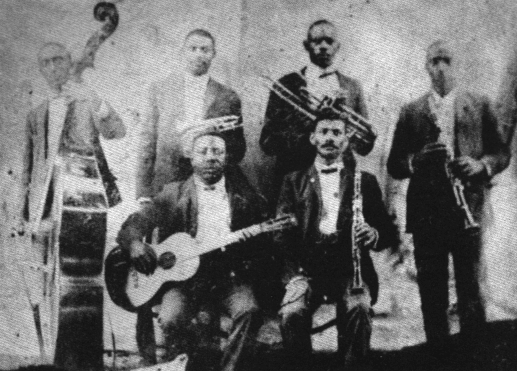
Buddy Bolden, holding the cornet standing in back, was never recorded but he is likely the reason why Careless Love is a New Orleans standard today.
The song’s strong association to New Orleans is most likely the result of Buddy Bolden who performed the song regularly at the turn of the 20th Century. Buddy Bolden and his band performed a more bluesier and improvised form of ragtime and inspired jazz pioneers such as Kid Ory, King Oliver and Bunk Johnson who followed.
While there are no recordings of Bolden and his band, there are literally hundreds of other recorded versions of Careless Love, including those by Pete Seeger, Janis Joplin, Lead Belly, Madeleine Peyroux, Big Joe Turner, Nat King Cole, and Ray Charles.
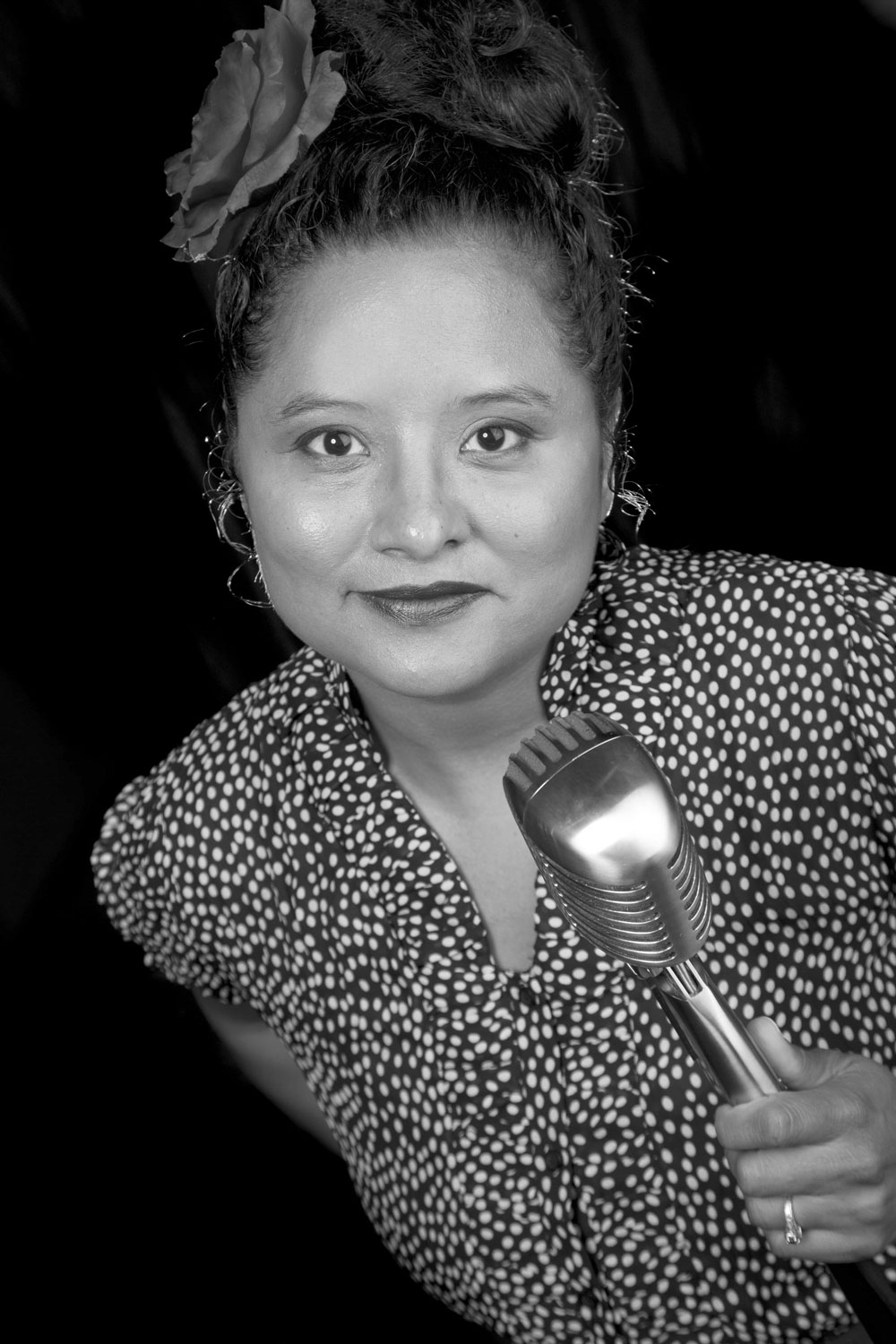
Contemporary New Orleans artists, such as Miss Sophie Lee, carry on the New Orleans tradition of performing Careless Love.
With the onset of African American History Month, I thought it worthwhile to address the role of New Orleans in launching Rock n’ Roll. Cause the very fact that the city’s contribution is relatively unknown is a reflection in part of the broader subjugation of the African-American credit for creating the music in the first place.
Whether you date the beginning of Rock n’ Roll to Louis Jordan’s Saturday Night Fish Fry, Roy Brown’s Good Rockin’ Tonight, Fats Domino’s The Fat Man, or even the non-New Orleans recording of Rocket 88 by Jackie Brenston, what’s abundantly clear is that this music originated from African Americans–not white boys like Elvis Presley and Bill Haley.
Alan Freed, the white deejay credited for popularizing the term Rock n’ Roll, essentially used the term to rebrand Rhythm and Blues which was associated with black music. For that matter, the term Rhythm and Blues was created by a Billboard Magazine writer in 1949 to replace the previously used term “Race Music.”
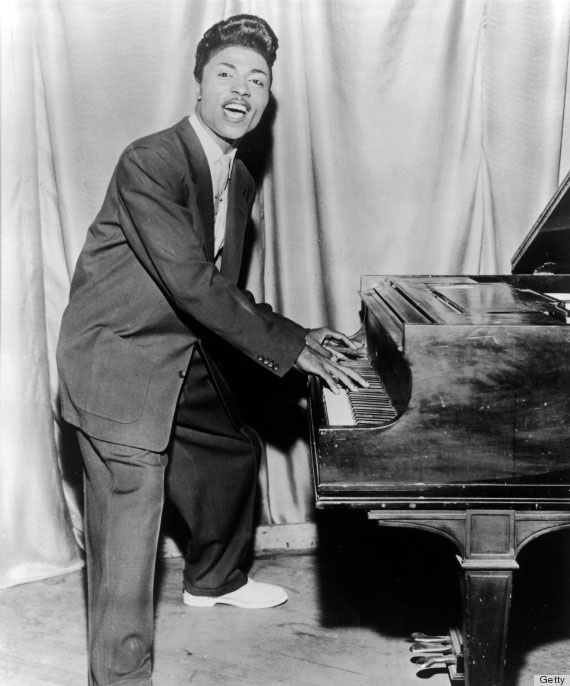
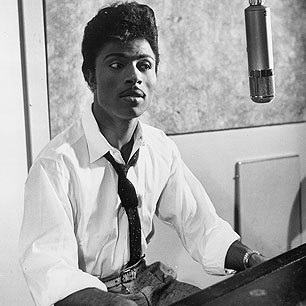
Little Richard recorded almost all of his big hits in New Orleans.
Back to New Orleans, many of these early Rock hits were recorded in the J&M Studio on Rampart Street on New Orleans — located within a Russell Wilson touchdown pass of Congo Square where people of color (free and enslaved) gathered on Sundays and practiced the drum beats and rhythms that fueled jazz, swing, jump blues and Rock n’ Roll. The studio also recorded a great many other early Rock hits, including almost all of Little Richard’s hits.
Through radio, white youth were exposed to black artists–a wonderful testament of the integrating power of the air waves. In a bizarre twist, some white deejays hosted “Rhythm and Blues” shows and pretended to be black when introducing the songs. To sound authentic, a New Orleans deejay hired an African American to write his script.
While Fats Domino is unlikely to be included in the pantheon of civil rights leaders, his music and performances went a long way toward breaking down the walls of segregation. First, his records sold more than any artists other than Elvis during the 50s. (One million copies of The Fat Man were sold within the first three years of its release)
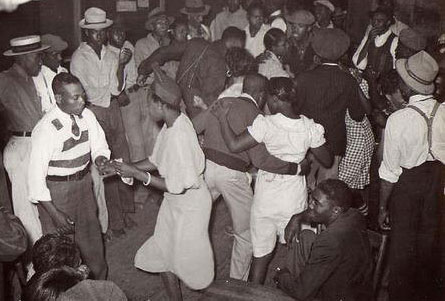
But it was in Domino’s performances where push came to shove. After all, can you really stand still to his music? (Go ahead, try!) Even though performance halls attempted to segregate white and black audiences, dancing ensued and elbows rubbed, flummoxing police and other security who often caused riots by trying to break up the mingling.
Antoine “Fats” Domino was on the vanguard of Rock n’ Roll, performing to white and black audiences and selling more records than any other Rock musician, except for Elvis.
That mingling particularly scared Southern segregationist who contributed to the public venom poured on Rock n’ Roll, providing more than the usual incentive for music promoters to put a white face on this popular music.
Yet Domino continued to perform throughout the country, at a time when black musicians often had to sleep in their cars or buses because hotels would not accept them.
When he appeared on television, his band, all African American musicians, were often hidden from sight.
If you’re interested in learning more about Fats Domino during his period, I recommend “Blue Monday: Fats Domino and the Lost Dawn of Rock n’ Roll” by Rick Coleman. It was Coleman’s book who tipped me off to the Pat Boone shadow. Boone recorded a number of African American rock numbers, illustrating just how easy it is to sap the soul from a number.
Behind every great recording and concert, there’s a sound nerd making sure you hear what you’re supposed to hear. In the case of Cosimo Matassa, what people heard was the beginnings of rock and roll.
Cosimo’s recording career started out with using primitive equipment located in the back of an appliance and music shop.
In 1945 at the tender age of 19, Cosimo opened an appliance store with a partner in New Orleans, hoping to take advantage of the pent up demand for home conveniences and the many new households that were forming after the war. The store also sold records.
His partner suggested they make recordings for their customers. Cosimo, being the more technical of the two, took on the task of getting that business going. As a former Tulane chemistry major, he was your classic nerd. But having spent a few years working with his Dad’s jukebox business, repairing the equipment and swapping out 78 rpm records, he was a nerd with an ear for music.
The J&M Music Shop was at the right place at the right time on the corner of Dumaine and Rampart, sitting between the French Quarter and the Fauberg Treme’ neighborhood – a center of African-American and Creole culture and home to many New Orleans musicians.
After World War II, people were ready to have fun. And the music, particularly from a new generation of black New Orleans musicians raised on jazz, swing and big band music, was ready to make the party happen.
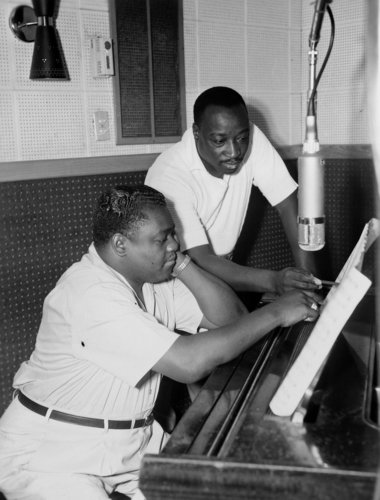
Fats Domino (left) and Dave Bartholomew generated a mountain of hits, all recorded from studios run by Cosimo Matassa.
The studio’s success started with Roy Brown, who had just returned to New Orleans with his Gospel-trained voice and was performing at the famous Dew Drop Inn. It was in the back of the J&M in 1947 that Brown recorded the jump blues song, Good Rockin’ Tonight, a hit that can arguably be considered one of the first Rock and Roll songs. Just ask Elvis.
Things really took off when horn player and band leader Dave Bartholomew started using the studio for his work as a musician, arranger and talent scout for Imperial Records. Through Bartholomew, early R&B greats like Smiley Lewis, Frankie Ford and Tommy Ridgley would record at the studio. But the star who solidifies the studio’s listing as a Rock and Roll Hall of Fame landmark is Antoine “Fats” Domino. Through a good chunk of the 50’s, Domino, with able assistance from Bartholomew and Matassa, released a series of R&B hits, finally crossing over into the pop charts with “Ain’t That a Shame” in 1955. All of the Fats’ recordings as well as hundreds of other R&B and early rock and roll gems were recorded in that little studio.
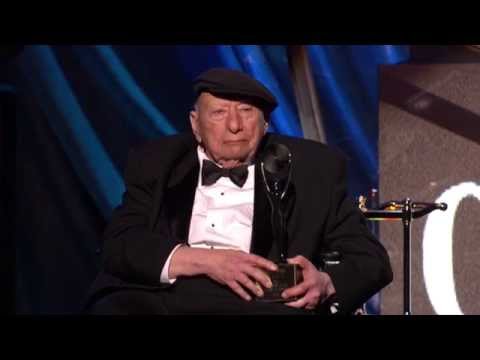
Cosimo Matassa tat his induction to the Rock and Roll Hall of Fame in 2012.
By 1956, Matassa was no longer selling appliances and had moved his studio to larger digs on Governor Nicholls Street in the French Quarter. Like many successful studios, Matassa’s operation benefitted from a talented group of studio musicians, usually organized by Bartholomew but also by the emerging talent, Allen Toussaint. These musicians included Earl Palmer on drums, Alvin “Red” Tyler and Lee Allen on sax, Frank Fields on bass, Huey Smith on piano and a large rotating cast of others. The studio sound was so synonymous with success that labels, like Ace, Atlantic, Chess, Savoy, RCA Victor, Imperial and Specialty would send their artists to New Orleans to capture the magic.
Little Richard recorded Tutti Frutti, Good Golly Miss Molly, Lucille, Long Tall Sally and others at J&M studio.
One of the more legendary stories is how Richard Penniman found his mojo at the Dew Drop Inn during a recording break, which led to his breakout hit, Tutti Frutti backed up by the J&M musicians and recorded by Matassa. It’s almost wearying to list the musicians that recorded there, but I’ll add Mac Rebennak (before he became known as Dr. John), Art and Aaron Neville, Professor Longhair, Irma Thomas and Lee Dorsey to this amazing list.
Cosimo Matassa died in September (2014) at 88. He was generous with his time, so it’s easy to find interviews of him, including one of my favorites. He modestly takes little credit for the sounds he recorded. But he maintains that the limitations of the early technology were a benefit, requiring musicians to play a song all together from beginning to end, just like a live performance. His job, he would say, was to get out of the way and let them do their thing.
Obviously, there was more to it than that because all the musicians who worked with him loved this unassuming nerdy son of Sicilian immigrants. His elegance was in his simplicity. He took care of the technical part, creating an environment where craftsmanship and creativity could merge.
Cosimo Matassa at the controls in Sea-Saint Studios, a studio founded by Allen Toussaint who began his career at J&M Studio. Photo by The Times-Picayune.
“To have a job where you can listen to music all day. Great way to make a living. Lot of great New Orleans musicians made me look good.”
Needless to say, I’ll be hammering my collection of Matassa recordings on my next show this Monday, 10 a.m. to noon, KAOS, 89.3 FM. Streaming at www.kaosradio.org.




 Sweeney's Gumbo YaYa